Navigating the Legal Weed Canada Market: What Consumers Need to Know
@thelegalweedcanadaplace
When Canada legalized recreational cannabis in 2018, it created one of the most interesting legal weed Canada markets in the world. I have watched this industry evolve from a patchwork of gray-market dispensaries into a regulated system that tries to balance public health, business opportunity, and consumer demand. For anyone buying cannabis today, understanding how this market works is just as important as knowing which strain to pick.
I have spent years following Canadian cannabis policy and buying from legal retailers. The system is not perfect, but it is far more transparent than what existed before. The shift from prohibition to regulation under the Cannabis Act meant that producers, distributors, and retailers all had to get licensed and follow strict rules. That has shaped everything from pricing to product variety to how you actually place an order.
How Legalization Changed the Landscape
Before October 2018, buying cannabis in Canada meant visiting an unlicensed store or ordering from an online source with no oversight. Quality varied wildly, and there was no way to verify what you were getting. The Cannabis Act changed that by creating a federal framework for production and a provincial patchwork for sales. Health Canada is the federal regulator responsible for issuing Cannabis Licenses to producers and ensuring compliance with safety and quality standards.
One of the biggest shifts was the introduction of the Excise Tax on cannabis products. This tax applies to both medical and recreational cannabis at the producer level and is passed down the supply chain. It adds a layer of cost that did not exist in the unregulated market, but it also funds enforcement and public education efforts like the Canadian Cannabis Survey, which tracks consumption patterns and health outcomes.
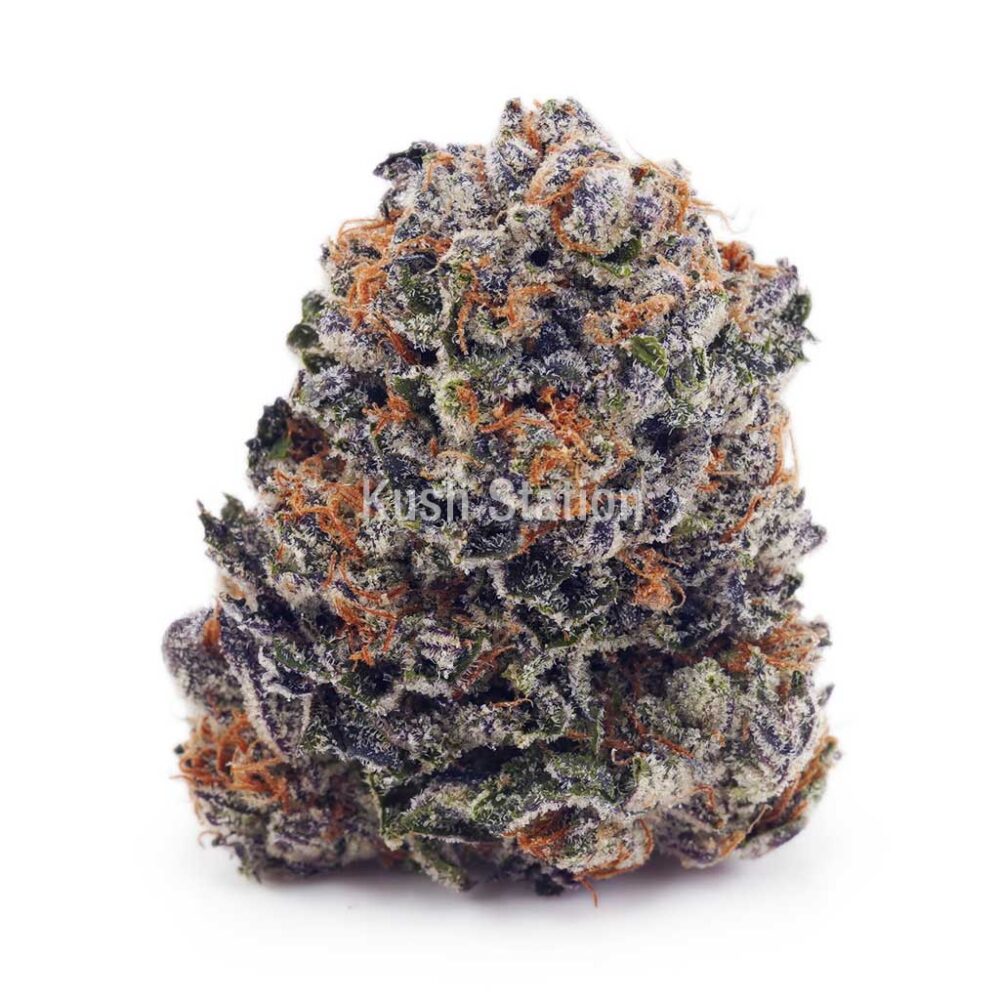
For consumers, the most visible change has been the rise of provincially run retail systems. In Ontario, the Ontario Cannabis Store is the only legal online retailer for recreational cannabis, though private retail stores operate under its oversight. In British Columbia, the BC Liquor Distribution Branch runs both government stores and licenses private retailers. Alberta took a different approach, allowing fully private retail from the start. Each province has its own rules about packaging, advertising, and age verification, which means the buying experience can feel very different depending on where you live.
The Players Shaping the Industry
Behind every package of legal cannabis is a licensed producer. Some of the largest names in the space include Aurora Cannabis, Tilray, Canopy Growth, Hexo, and Cronos Group. These companies operate massive indoor and greenhouse facilities, producing everything from dried flower to oils and edibles. Ogen is another producer that has built a reputation for consistent, high-quality flower, often available through provincial retailers.
Then there are companies like WeedMD, which started in the medical market and later expanded into recreational. Their experience with Cannabis Compliance under Health Canada gave them a head start when the recreational market opened. Canopy Growth, based in Smiths Falls, Ontario, was one of the first to receive a Cannabis License and has since expanded internationally. Shoppers Drug Mart even entered the space, initially by selling medical cannabis through a partnership with Cronos Group and later by exploring retail opportunities.
What this means for the average buyer is that there is now a wide range of products from established, regulated producers. You can buy pre-rolled joints, oils, capsules, and flower in varying potencies and price points. The Ontario Cannabis Store, for instance, lists dozens of brands and strains, each with detailed lab reports showing cannabinoid content and terpene profiles. That level of transparency was unheard of in the unregulated days.
What Legal Weed Canada Means for Consumers
For someone new to cannabis or returning after years away, the legal weed Canada market can feel overwhelming. The terminology alone - indica, sativa, hybrid, THC percentage, CBD content - can be confusing. But the regulated system actually makes it easier to find what works for you. Every product sold through legal channels must be tested for potency and contaminants. The Canadian Cannabis Survey regularly asks consumers about their experiences, and that data helps shape regulations and retail practices.
One practical difference I have noticed is the focus on CBD products. While CBD is not psychoactive in the same way as THC, it has become a major category in legal stores. Many people use CBD oils and capsules for anxiety, sleep, or chronic pain. The legal market has made these products widely available, often with clear dosing instructions and third-party testing. In the unlicensed market, you never really knew how much CBD was in that oil you bought from a friend.

Another shift is the emphasis on responsible use. Licensed retailers must verify age at the point of sale, both online and in person. In Ontario, the Ontario Cannabis Store website requires you to confirm you are 19 or older before you can even browse. Packaging is plain and child-resistant, with clear warnings. It is a far cry from the flashy, youth-oriented marketing that worried critics during the legalization debate.
Cost and Convenience Trade-Offs
Legal cannabis is generally more expensive than what you might find on the unlicensed market. The Excise Tax, provincial markups, and compliance costs all add up. A gram of legal flower in British Columbia might cost anywhere from eight to fifteen dollars at the BC Liquor Distribution Branch retail stores, depending on the brand and quality. In Alberta, private retailers often have more competitive pricing, but selection can vary by store.
Convenience is another factor. In Ontario, you cannot walk into a corner store and buy cannabis - it has to be through the Ontario Cannabis Store website or a licensed private store. In British Columbia, government-run stores are common in larger towns, but rural areas may have limited access. Delivery times vary by province and retailer. I have had orders arrive within two days in Toronto, but friends in northern Ontario have waited over a week.
There is also the question of product variety. While the legal market offers hundreds of options, some consumers miss the variety of the old gray market. Small-batch craft growers, many of whom did not get licensed, produced strains you will not find at a legal retailer. But that trade-off comes with a real benefit: every product you buy legally has been tested and labeled accurately. You are not guessing whether that bag of "Purple Kush" actually has 18% THC or if it contains mold or pesticides.
Looking Ahead
The legal weed Canada market continues to evolve. Health Canada reviews the Cannabis Act periodically, and there have been discussions about loosening packaging rules, allowing more retail outlets, and expanding the types of products that can be sold. Edibles and beverages are already available in some provinces, and the demand for high-quality flower remains strong.
For consumers, the key is to stay informed. Know your province's rules, buy from licensed retailers, and pay attention to lab reports. The legal market is not perfect, but it is the safest and most transparent option available. Whether you are buying a single gram or a mix-and-match bundle, the regulated system gives you information that was impossible to get a decade ago.

Ultimately, the success of legalization depends on whether consumers find the legal market convenient, affordable, and trustworthy. Early data from the Canadian Cannabis Survey suggests that most buyers now prefer legal sources, but a significant minority still turns to unlicensed sellers, often because of price or access. That gap is slowly closing as more stores open and prices become more competitive.
If you are shopping for cannabis in Canada today, you have more choices and more protection than ever before. That is the real story of legal weed Canada - not just that it is legal, but that it is becoming a normal, regulated part of everyday life.